
In the elite world of soccer, the calendar seems to have no off button. Between domestic leagues, continental competitions, international fixtures and preseason tours, players are being pushed to their limits and the consequences are becoming clearer. The issue of soccer player rest time (or lack thereof) is no longer a behind the scenes concern. It’s a front page story.
The Modern Calendar: Relentless and Rampant
Today’s elite players often find themselves playing two or more games each week, with travel, training and club commitments sandwiched in between. According to the global players’ union FIFPRO, some players are participating in matches with less than the recommended rest and recovery time, in one study up to 82 % of games were played with fewer than five days of rest.
FIFPRO’s “Player Workload Monitoring” reports show rising workloads: the 2024 report stated that 54% of monitored players faced excessive workload demands during the 2023/24 season. FIFPRO+1 The growth of competitions (such as expanded club tournaments) and the increased travel demands have only amplified the load. FIFPRO+1
Three Days (or Fewer): Not Nearly Enough
From a sports science and performance standpoint, the concept of “three days to recover” is inadequate. A study of professional soccer players found that key performance measures, like jump height, sprint speed and muscle strength, remained significantly reduced even at 72 hours post match. Lippincott Likewise, a systematic review found that fixture congestion (defined as fewer than 4 days’ recovery between matches) is associated with increased injury risk. PMC+1
Football-specific research suggests that the intervals between matches matter: one study found that teams with less than three days’ recovery had significantly worse outcomes (more losses) and higher rates of soft tissue injuries. Frontiers In short: muscles, nervous systems and biomechanics need more than “just a weekend” to reset, but many players aren’t getting that.
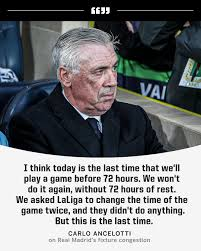
Real Madrid coach saying his team will not play a game before at least getting 72 hours to rest
Players and Experts Are Raising the Alarm
The complaints aren’t just academic, players themselves are speaking out. Many top professionals have described the schedule as “unsustainable” and simply “too much.” Meanwhile, medical and performance experts convened by FIFPRO (70 specialists worldwide) reached consensus on safeguards to protect players from excessive workload, citing calendar congestion as a major threat. FIFPRO+1
The consensus framework includes minimum recovery periods, off season breaks, and special protections for young players. Despite these recommendations, many competition organizers continue to prioritize broadcast schedules and global expansion over player welfare. FIFPRO+1
The Toll: Injury, Burnout and Declining Quality
What happens when players don’t get enough rest? The effects are multi fold:
- Higher injury risk: The evidence is strong. Professional players exposed to very high match frequency had significantly higher injury incidence, for instance, one Argentinian cohort with high match frequency had 8.9 injuries per 1,000 hours exposure vs 5.0 in the lower match frequency group. ResearchGate Another systematic review found that match congestion reduced recovery and increased risk of injuries. PMC
- Performance drop off and mental fatigue: Players report feeling tired, travel weary, and mentally drained. According to FIFPRO’s reports, the burden is clearly turning into a threat to career longevity. FIFPRO+1
- Reduced quality of football: Fatigued players produce more errors, slower reactions and fewer moments of true brilliance. The sport suffers when its stars can’t perform at their best.
- Shortened careers and burnout: With limited time to recover and regenerate, players face risks not just in the short term but over the lifespan of their careers. FIFPRO warns that the “business model” of football must adjust to protect players. FIFPRO
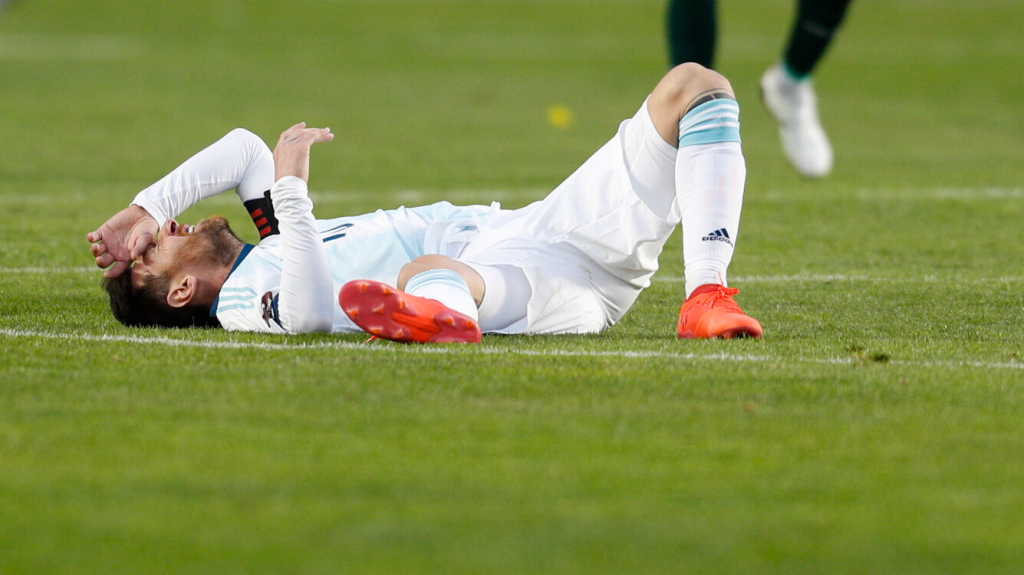
Player on the floor from fatigue
What Needs to Change: Reforming the Calendar
If the problem is real, and the evidence says it is, then the solutions must follow:
- Mandated rest and off season breaks: Experts argue for minimum off season periods (e.g., four consecutive weeks away from any professional obligation) and retraining blocks. Reuters+1
- Reducing match congestion: This means rethinking overlapping competitions, limiting travel burdens, and coordinating better between club and country schedules.
- Player rotation and squad management: Clubs need deeper squads and smarter rotation strategies so individual players aren’t overloaded.
- Monitoring and data driven decision making: Use workload monitoring platforms (like FIFPRO’s PWM) to guide scheduling and make sure players are protected. FIFPRO
- Cultural shift: The sport needs to value quality over quantity: fewer matches, but better rested players creating better games.
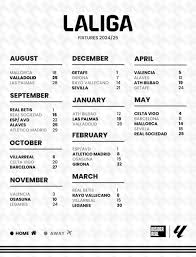
Real Madrid busy schedule
Protecting the Heart of the Game
Soccer’s engine is its players. If those athletes are depleted, overworked and under rested, the game will suffer at every level. The evidence is strong: fewer recovery days mean higher injury risk, less performance, and shorter careers. The calendar as it stands is out of step with the physiological realities of athlete care.
It’s not just a player welfare issue it’s a sport quality issue. When players are rested, they’re sharper, faster, more creative and less prone to injury. The future of football depends on decisions made now about how many games we ask players to play, how much recovery time they get, and what we reward as a sport.
If football wants the next generation of stars to shine, it must give them something more than just grit and glory — it must give them time to recover.
Credible Evidence Summary
- Neuromuscular fatigue lasts up to 72 hours after a match; players with only short recovery show physical performance decline. Lippincott
- Fixture congestion (fewer than 4 days’ recovery between matches) is associated with increased injury risk in professional soccer. PMC+1
- Players playing matches with fewer than five days’ rest accounted for 82% in some periods of the schedule. FIFPRO
- The global players’ union’s workload monitoring shows 54% of players experiencing excessive workload demands, and calls for calendar reform. FIFPRO
- Minimum player workload safeguards developed by 70 medical experts call for off-season breaks and rest windows.