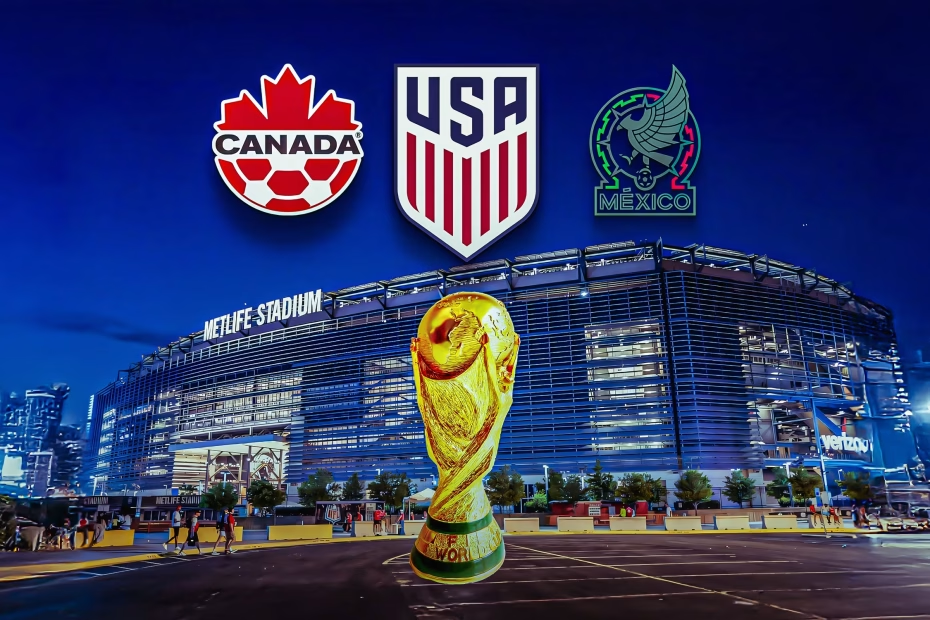
The beautiful game is about to get even bigger. Soccer fans, mark your calendars, the 2026 World Cup is set to be the most expansive, exciting, and historic tournament the sport has ever seen. With three host nations, 48 competing teams, and matches spanning in iconic cities across North America, this isn’t just another World Cup. It’s a complete reimagining of what the world’s greatest sporting event can be.
Whether you’re a die hard supporter planning your trip or a casual fan wondering what all the hype is about, this is your complete guide to everything you need to know about the 2026 World Cup.
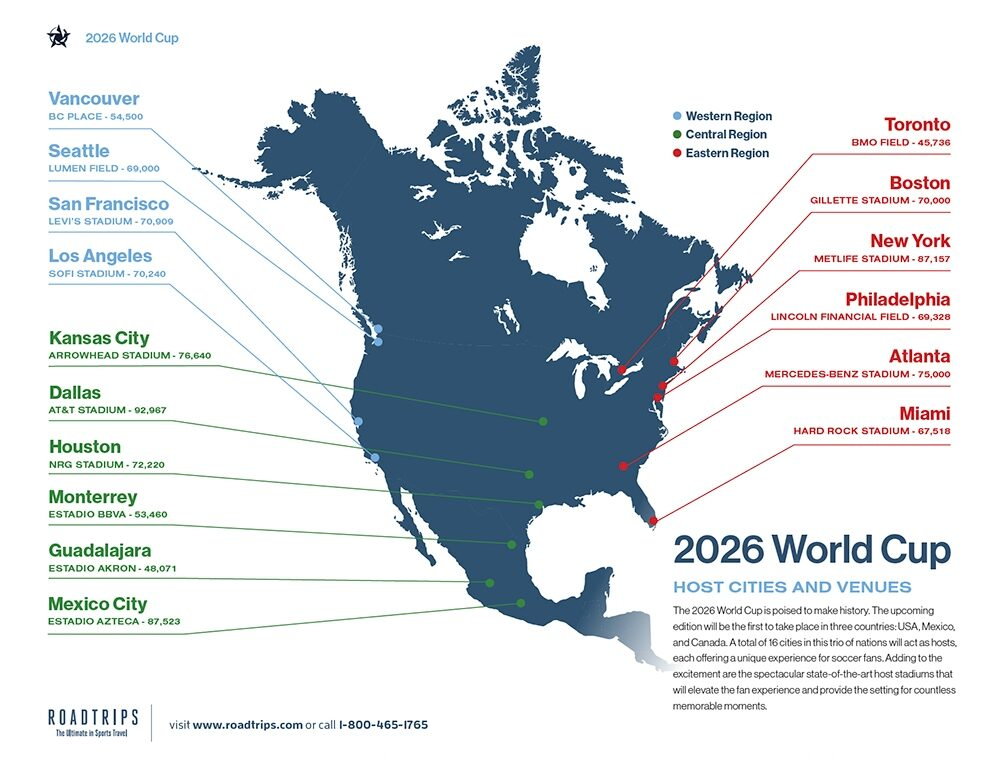
Map of 2026 World Cup host cities in United States Mexico and Canada
Why the 2026 World Cup is Historic
The 2026 World Cup breaks new ground in multiple ways. For the first time in FIFA history, three countries will jointly host the tournament, the United States, Mexico, and Canada. This tri-nation partnership brings together diverse soccer cultures, world class infrastructure, and passionate fan bases that will create an unforgettable atmosphere.
But the big story? The tournament is expanding from 32 to 48 teams. That’s 16 more nations getting their shot at glory, 104 total matches instead of 64, and countless new storylines that will captivate fans worldwide. More teams mean more drama, more upsets, and more opportunities for emerging soccer nations to announce themselves on the biggest stage.
This expansion represents FIFA’s commitment to growing the game globally while giving North America a chance to showcase why it’s become one of soccer’s fastest growing regions.
Stay updated with U.S. Soccer News for the latest 2026 World Cup coverage
Host Cities and Iconic Stadiums
The 2026 World Cup will utilize 16 world class venues across three countries, each bringing its own character and energy to the tournament.
United States Host Cities
The U.S. will host the majority of matches, with 11 cities selected for their infrastructure, accessibility, and stadium quality:
- Atlanta – Mercedes-Benz Stadium
- Boston – Gillette Stadium
- Dallas – AT&T Stadium
- Houston – NRG Stadium
- Kansas City – Arrowhead Stadium
- Los Angeles – SoFi Stadium
- Miami – Hard Rock Stadium
- New York/New Jersey – MetLife Stadium
- Philadelphia – Lincoln Financial Field
- San Francisco Bay Area – Levi’s Stadium
- Seattle – Lumen Field
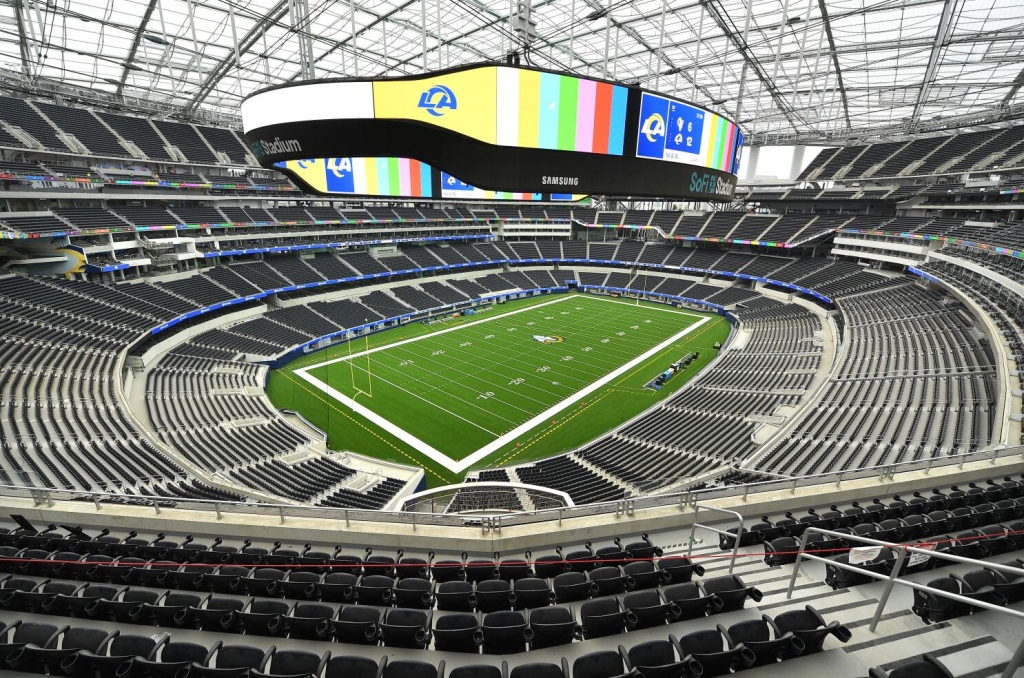
SoFi Stadium Los Angeles 2026 World Cup venue
Mexico Host Cities
Mexico brings three passionate soccer cities with deep World Cup history:
- Mexico City – Estadio Azteca (the legendary venue that hosted the 1970 and 1986 finals)
- Guadalajara – Estadio Akron
- Monterrey – Estadio BBVA
Canada Host Cities
Canada rounds out the hosting duties with two major metropolitan areas:
- Toronto – BMO Field
- Vancouver – BC Place
These stadiums range from intimate soccer specific venues to massive NFL stadiums that can accommodate over 80,000 fans. Each location offers unique attractions, making the 2026 World Cup a true celebration of North American diversity and hospitality.
The New 48-Team Format Explained
Gone are the days of eight groups of four teams. The 2026 World Cup introduces a bold new structure that changes everything about how the tournament unfolds.
Group Stage Structure
The 48 teams will be divided into 12 groups of four teams each. Here’s how it works:
- Each team plays three group stage matches (one against each group opponent)
- The top two teams from each group automatically advance to the knockout round
- The eight best third place teams also advance
This means 32 teams total will make it to the knockout stages, double the number from previous tournaments.
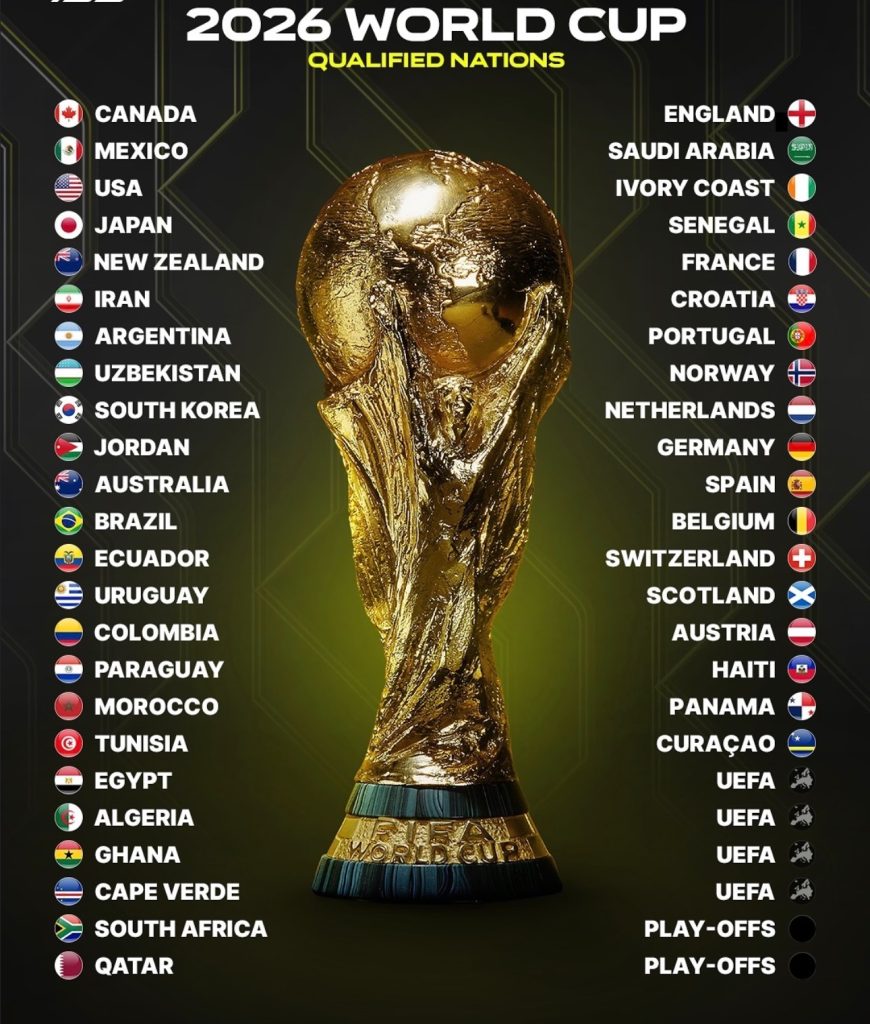
2026 World Cup qualified teams
Knockout Round Format
Once the group stage concludes, the tournament shifts to single elimination matches:
- Round of 32 – 32 teams, 16 matches
- Round of 16 – 16 teams, 8 matches
- Quarterfinals – 8 teams, 4 matches
- Semifinals – 4 teams, 2 matches
- Third place match and Final
The expanded format means more soccer, more often, with matches spread across six weeks of non stop action. Fans will get to see their teams play more games, and smaller nations will have greater opportunities to make memorable runs.
Qualified Teams and Favorites
Automatic Qualifiers
The United States, Mexico, and Canada all earned automatic qualification as host nations. This marks a significant advantage, allowing these teams to prepare without the stress of qualification campaigns while building momentum on home soil.
Tournament Favorites
Based on current form and FIFA rankings, several powerhouses are expected to contend for the title:
Brazil – Always dangerous, the five time champions will look to reclaim their throne with an exciting young squad mixed with experienced veterans.
Argentina – The defending champions will aim to build on their 2022 Qatar triumph, though questions remain about life after Lionel Messi.
France – Loaded with talent across every position, Les Bleus are perennial contenders with one of the youngest and most dynamic squads in world soccer.
England – After coming close in recent tournaments, the Three Lions have the talent to finally break their decades long trophy drought.
Spain – The 2010 champions are rebuilding with exciting young talent and could surprise many with their technical style.
Germany – Never count out the Germans in a major tournament. Their ability to peak at the right moment makes them perpetual threats.
Portugal – With a perfect blend of veteran leadership and emerging talent, Portugal remains a serious contender with Captain Cristiano Ronaldo leading the team. Their tactical flexibility and ability to grind out results make them dangerous in knockout scenarios.
Dark Horse Teams to Watch
The expanded format gives underdogs a real chance to make noise:
- United States – Playing at home with a golden generation coming of age
- Netherlands – Technical excellence and tactical discipline
- Uruguay – Traditional South American grit and quality
- Japan – Consistent Asian powerhouse with Europe based stars
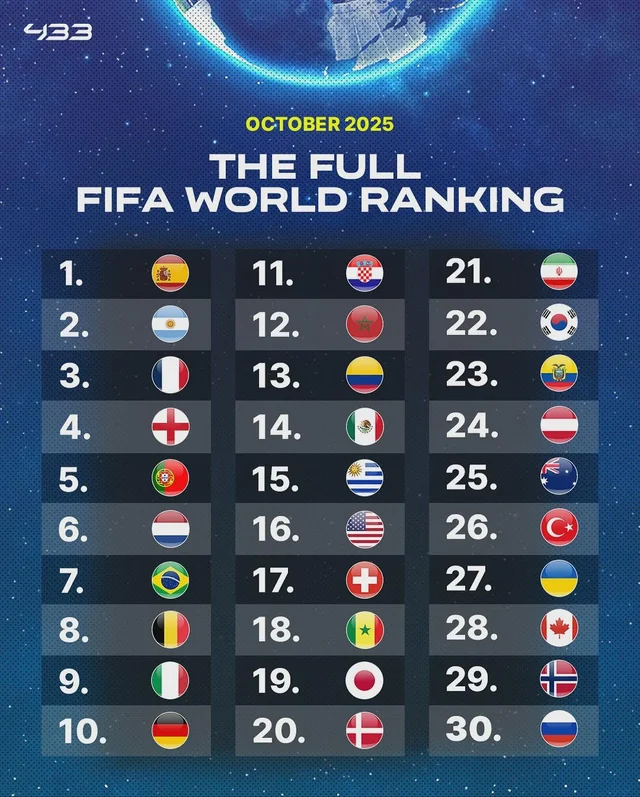
Top favorites competing in 2026 World Cup tournament
Players to Watch
Rising Stars
The 2026 World Cup will be a coming-out party for soccer’s next generation:
- Jude Bellingham (England) – The Real Madrid midfielder is already one of the world’s best
- Pedri (Spain) – Barcelona’s midfielder will orchestrate Spain’s attack
- Eduardo Camavinga (France) – Defensive midfield maestro with incredible potential
- Florian Wirtz (Germany) – The Bayern Munich star could be Germany’s secret weapon
- Christian Pulisic (USA) – Captain America will carry massive expectations on home soil
Veteran Last Dances
Several legends could be playing their final World Cup:
- Cristiano Ronaldo (Portugal) – It will be his sixth world cup, most in history
- Luka Modrić (Croatia) – The 2018 Balon d’Or winner may have one last run
- Robert Lewandowski (Poland) – Poland’s all time leading scorer
- Lionel Messi (Argentina) – Previous world cup winner will attempt to win it once more
The Home Field Advantage
Playing on home soil brings undeniable advantages. The United States will benefit from familiar conditions, passionate home crowds, and no jet lag or travel fatigue. Mexico and Canada gain similar benefits for their matches.
History shows host nations often overperform. The U.S. reached the Round of 16 in 1994, France won in 1998, and Russia exceeded expectations in 2018. With the USMNT’s young core hitting their prime years and MLS continuing to grow in quality, don’t be surprised if the Americans make a deep run.
Tournament Schedule and Key Dates
The 2026 World Cup will run for approximately 39 days, with matches scheduled across multiple time zones to accommodate global audiences.
Important Dates
- Opening Match – June 2026 (exact date TBA)
- Group Stage – June 2026 (approximately 2 weeks)
- Knockout Rounds Begin – Late June/Early July 2026
- Final Match – July 19, 2026 at MetLife Stadium in New York/New Jersey
The final at MetLife Stadium is particularly significant, it will be one of the most watched sporting events in history, taking place in the media capital of the world with over 80,000 fans in attendance.
Impact on American Soccer
The 2026 World Cup represents more than just a month of matches. It’s a catalyst for generational change in American soccer culture.
MLS Growth
Major League Soccer has exploded in recent years, attracting international stars and developing homegrown talent at unprecedented rates. The World Cup will accelerate this growth, bringing millions of new fans to the sport and legitimizing soccer in markets that have traditionally favored other sports.
Youth Soccer Boom
Youth participation in soccer has already surged, with more kids playing soccer than ever before. The World Cup will inspire a new generation of players who grow up dreaming of representing their country on home soil in future tournaments.
Infrastructure Upgrades
Host cities are investing billions in stadium improvements, training facilities, and soccer infrastructure that will benefit the sport for decades. These upgrades ensure world class venues for future tournaments, concerts, and sporting events.
Long Term Legacy
The true measure of the 2026 World Cup won’t be the winner, but the lasting impact on soccer culture across North America. Expect increased investment in coaching, player development, and grassroots programs that will elevate the sport’s profile for generations.
What Fans Should Expect
Travel Experience
Traveling between host cities offers incredible diversity. You could watch a match in vibrant Mexico City, catch the next game in cosmopolitan Toronto, and finish your trip at a sun soaked match in Miami. Each city brings unique culture, food, and atmosphere that make the 2026 World Cup a once in a lifetime adventure.
Ticket Information
Demand for tickets will be unprecedented. FIFA will likely use a lottery system for allocating tickets, with sales beginning approximately one year before the tournament. Prices will vary based on match importance and venue, with group stage tickets starting around $50-$100 and final tickets potentially exceeding $1,000.
Start planning early, monitor FIFA’s official ticketing website, and consider joining official supporter groups for better access to ticket allocations.
Fan Culture Across Three Countries
Each host nation brings its own flavor. Mexico’s passionate, singing crowds create electric atmospheres. Canada’s welcoming, multicultural cities will embrace fans from around the world. The United States offers unmatched logistics, diverse fan bases, and world class hospitality infrastructure.
Together, these three nations will deliver a World Cup experience that showcases the best of North American soccer culture while welcoming the entire world.
A World Cup Like No Other
The 2026 World Cup will redefine what we expect from the world’s biggest sporting event. With 48 teams competing across 16 cities in three countries, this tournament promises more excitement, more diversity, and more unforgettable moments than any World Cup before it.
Whether you’re planning to attend matches in person or watch from home, the summer of 2026 will be a celebration of the beautiful game at its highest level. From underdog stories to superstar performances, from tactical masterclasses to last minute drama, this tournament will give us everything we love about soccer, just on a bigger stage than ever before.
The world is watching. The countdown has begun. History is calling.
Stay updated with U.S. Soccer News for the latest 2026 World Cup coverage, updates, and breaking announcements